
Casale to provide hydrolyser to two melamine plants
The hydrolyser will be used to treat the water coming from the melamine plants.

The hydrolyser will be used to treat the water coming from the melamine plants.

Australian Potash is aiming to make the Lake Wells project the lowest carbon dioxide emitting sulfate of potash project in Australia.
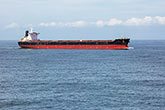
The companies' collaboration aims to significantly reduce Nutrien’s maritime transportation emissions.

AmmPower will deliver its green ammonia technology to create clean fuel for Porto Central and help produce fertilizer for the agriculture and farming industries in Brazil.

The EU's climate plan will increase carbon costs and CAPEX for European metals and fertilizer producers and for those exporting to the EU, according to Fitch Ratings.

Maire Tecnimont Group has chosen RISE with SAP to accelerate its digital transformation and continue on its decarbonisation path.

When fully commissioned, the HEVO Ammonia Morocco project is expected to produce 183 000 tpy of green ammonia and abate 280 000 tpy of CO2.

OCP will exchange knowledge and best practices with the organisation’s 40+ members and wide network of scientists and companies.

Western Australia's Environmental Protection Authority has given a positive recommendation for the Mardie salt and potash project to the state's Minister for Environment.

Maire Tecnimont Group’s subsidiaries NextChem and MET Development and FerSam have agreed to undertake a feasibility study for a green ammonia project.

A green ammonia project managed by Skovgaard Invest, Vestas, and Haldor Topsoe has received approximately €11 million from the Danish Energy Technology Development and Demonstration Program.
Based on 12 months of data collection at the proposed process plant location, the wind resource has been verified to support low carbon sulfate of potash production.
Svein Tore Holsether has been appointed the new Chair of the International Fertilizer Association.

The research, published in the journal Science, unlocks the potential to produce ammonia and fertilizers from renewable energy in reactors, as small as a refrigerator, that could be rolled out at the individual farm or community level.

According to Minbos, the new phosphate rock fertilizer blend promotes the early release of phosphate nutrients from phosphate rock, potentially eliminating monoammonium phosphate (MAP) from the proposed Cabinda Phosphate granule formulation – delivering a 100% organic fertilizer blend.