
Clariant develops catalyst to reduce impact of nitrous oxide
The company has developed the EnviCat N2O-S catalyst, which is proven to remove up to 95% of N2O generated as a by-product of nitric acid production.

The company has developed the EnviCat N2O-S catalyst, which is proven to remove up to 95% of N2O generated as a by-product of nitric acid production.

A solar power project will help Uralkali to gain experience in using sustainable sources of energy for the production of potash fertilizers.
As part of its plan to produce green ammonia and green hydrogen in Iceland, Green Fuel has also secured a Letter of Intent to operate at Bakki Eco-Industrial Park in north-east Iceland.
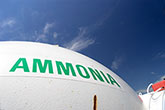
First production signals the launch of AmmPower’s ammonia catalyst and process development programmes.
The agreement cements the relationship between Casale and H2U to develop the engineering package along with the supply and potentially the construction of proprietary equipment for the production of green ammonia.
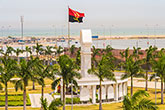
Angola's Ministry of Agriculture and Fisheries has confirmed to Minbos its intention to grant the company the land necessary for establishing a green ammonia and nitrogen fertilizer facility, with the Ministry agreeing to provide the necessary support for implementation of the project.

The Green Wolverine project in the Norrbotten region of Sweden will require an investment of more than €1 billion and could become operational by 2026.

The facility will be located near Fertiglobe’s subsidiary EBIC in Ain Sokhna in Egypt and is a first step towards developing a green hydrogen hub in Ain Sokhna.
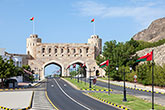
The plant will be an integrated facility using solar and wind energy to produce green ammonia.
The study will assess whether industrial-scale manufacturing of green ammonia at the Gibson Island fertilizer manufacturing facility in Queensland, Australia, is technically and commercially feasible on an existing brownfield site.

The solar power facility, which will supply 100% of Arapua's power needs, is expected to be commissioned within 5 months.

The collaboration combines Ostara’s process solutions for nutrient recovery with Evoqua’s water and wastewater treatment solutions to help municipalities recover nutrients and convert them into fertilizers.
Strike Energy will manufacture 1.4 million tpy of low carbon urea at the Narngulu Industrial Estate at Geraldton and will require up to 390 tpd of green hydrogen to complement the renewable hydrogen produced onsite.
The microgrid for the Lake Wells sulfate of potash project will be developed in a staged approach, with the thermal component to be completed within circa 15 months of Australian Potash making a final investment decision.

The company will make a US$25 million capital investment in the establishment of a Crystal Green fertilizer production facility in St. Louis City, US.